Belgium generates millions of tonnes of household and electronic waste every year. As consumers become more aware of their environmental footprint, a powerful shift is happening — and it starts with how we shop. Choosing secondhand isn't just a trend. It's one of the most direct, accessible ways to participate in a greener economy without overhauling your entire lifestyle.
Why Waste Is a Growing Problem in Belgium
Belgium produces around 4.5 million tonnes of municipal waste annually. Much of this comes from discarded electronics, clothing, furniture, and packaging — items that still hold significant value but end up in landfills or incinerators.
The root cause isn't carelessness. It's a system built around constant consumption and disposal. Products are manufactured, purchased, used briefly, and thrown away. Each cycle consumes raw materials, energy, and water while releasing carbon emissions into the atmosphere.
Breaking this cycle doesn't require a massive sacrifice. It requires smarter choices — and secondhand shopping is one of the smartest.
The Environmental Case for Buying Secondhand
Every secondhand purchase is a prevented waste event. When you buy a used laptop, jacket, or dining table, you're stopping that item from entering the waste stream prematurely. You're also reducing demand for newly manufactured goods, which carry a much higher environmental cost.
Consider what goes into producing a single new smartphone: rare earth mineral extraction, global shipping, energy-intensive manufacturing, and packaging. Buying a refurbished or pre-owned device sidesteps nearly all of that.
Here's what secondhand shopping directly prevents:
- Raw material extraction from forests, mines, and waterways
- Carbon emissions from manufacturing and long-distance logistics
- Textiles and e-waste are accumulating in landfill sites
- Water consumption tied to virgin material processing
- Packaging waste from new product delivery
Choosing to reduce waste, Belgium-style — by extending product lifespans — is one of the highest-impact actions an individual can take.

How Secondhand Shopping Supports Belgium's Circular Economy
Belgium has positioned itself as a leader in sustainable policy across Europe. The country's regional governments — Flanders, Wallonia, and Brussels — all have active waste-reduction and circular-economy targets. Secondhand commerce is a cornerstone of these goals.
The concept of circular economy shopping means designing economic activity that eliminates waste by keeping products and materials in use for as long as possible. Instead of the traditional linear model (make → use → discard), circular systems loop goods back into the market through reuse, repair, and resale.
When Belgians buy and sell secondhand, they are actively building this loop. A pre-owned bicycle sold in Ghent doesn't just save one person money — it keeps manufacturing demand low, reduces transport emissions, and extends the useful life of a product that already exists.
This is systemic change driven by individual action.
What Types of Products Make the Biggest Difference
Not all secondhand purchases carry the same environmental burden. Some categories offer outsized impact:
Electronics and appliances — These have the highest embedded carbon footprints. A refurbished laptop or secondhand washing machine diverts significant manufacturing emissions.
Clothing and textiles — Fast fashion is among the most polluting industries globally. Buying pre-loved garments in Belgium directly reduces textile waste and water consumption.
Furniture and home goods — Solid, durable items like wooden furniture or kitchen equipment can last decades with proper care. Resale keeps these materials out of waste facilities.
Toys and baby items — Children outgrow items rapidly. Secondhand toys, prams, and clothing represent excellent value and minimal environmental cost.
Books, media, and hobby equipment — Low-weight, long-lifespan items that circulate easily through resale platforms.
Building a Sustainable Lifestyle Through Secondhand Habits
Incorporating secondhand into your routine doesn't require a dramatic shift. It starts with a mindset change: before buying new, ask whether a pre-owned version exists and serves the same purpose.
Living a sustainable lifestyle, Belgian residents are proud of, means integrating circular habits across daily decisions — from where you source your electronics to how you furnish your home.
Practical steps to start:
- Browse secondhand first before any new purchase
- Sell or donate items you no longer use instead of discarding them
- Repair before replacing — Belgium has growing repair café networks
- Choose quality over quantity when buying secondhand to maximize longevity
- Encourage others by sharing what you save financially and environmentally
Small habits compound. If every Belgian household made even 20% of their purchases secondhand, the reduction in waste and emissions would be substantial.

Why Online Secondhand Platforms Are Driving This Change
Physical thrift stores and flea markets have always played a role in Belgium's secondhand culture. But digital platforms have transformed the scale, speed, and convenience of circular commerce.
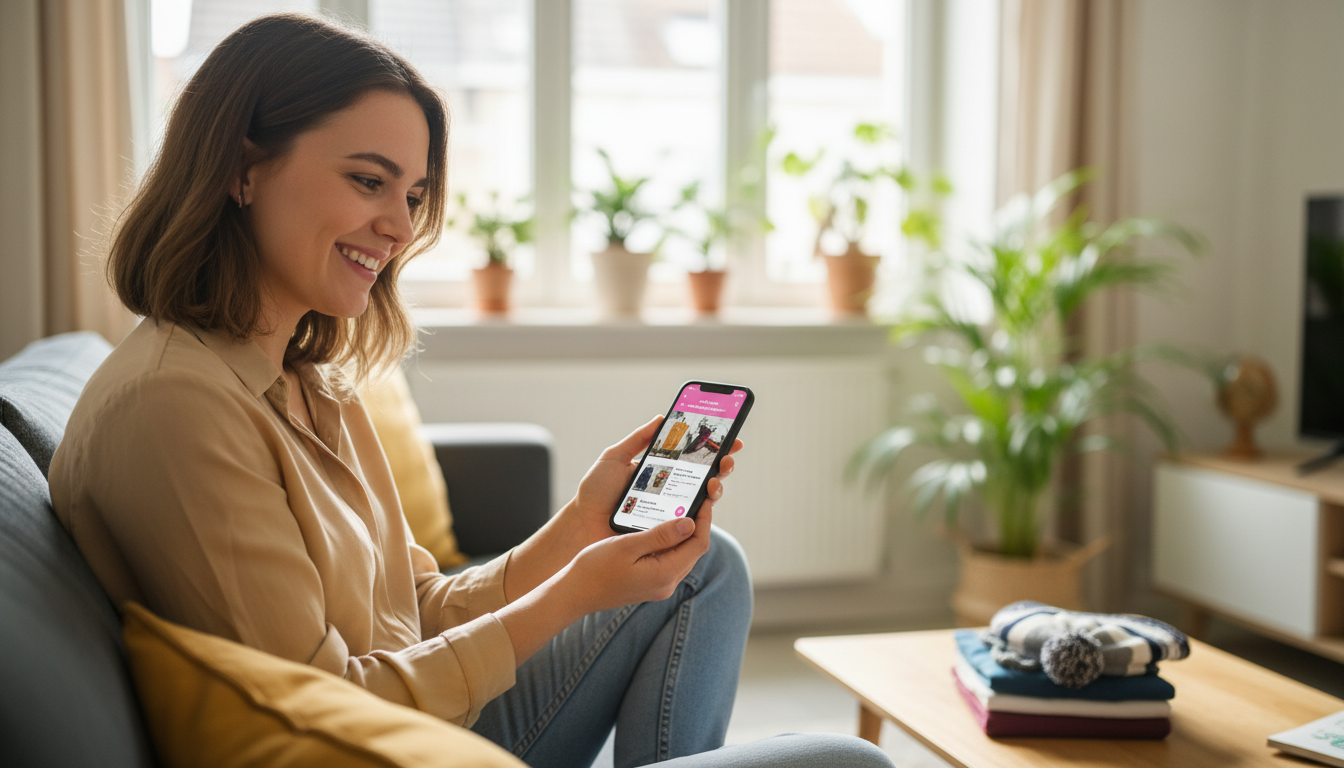
Today, you can browse thousands of pre-owned listings from your phone, message a seller across the city, and complete a purchase within hours. This frictionless experience brings secondhand shopping to demographics who might never visit a physical second-hand shop — younger professionals, busy families, and eco-conscious shoppers looking for value.
Join DealDone and become part of a growing Belgian community that's turning everyday items into circular economy assets. Every listing you post or purchase you make contributes directly to reducing Belgium's waste footprint.
The Financial and Social Benefits Are Real Too
Environmental benefits aside, secondhand shopping simply makes economic sense. Belgians consistently report saving 40–70% compared to retail prices when shopping pre-owned — savings that compound over time across electronics, clothing, and home goods.
Beyond individual savings, secondhand commerce builds local economic resilience. Money spent on a secondhand item from a local seller stays within the community rather than going to a distant manufacturer or multinational retailer.
There's also a growing social dimension. Online and in-person secondhand communities foster trust, connection, and shared values around conscious consumption — something increasingly important to Belgian consumers across all age groups.
Frequently Asked Questions
Is secondhand shopping actually better for the environment? Yes. Buying pre-owned goods significantly reduces demand for new manufacturing, which is the primary source of carbon emissions, water use, and raw material extraction in consumer supply chains.
Which secondhand items have the greatest environmental impact in Belgium? Electronics, appliances, clothing, and furniture offer the highest environmental savings per purchase due to their energy-intensive production processes.
How do I know I'm buying safely on a secondhand platform? Reputable platforms include seller ratings, verified listings, and secure messaging. Always review the seller's history and ask for item details or photos before purchasing.
Can selling secondhand items help me reduce waste, too? Absolutely. Listing items you no longer use keeps them in circulation and prevents them from becoming waste. It also generates income while benefiting the environment.
Is secondhand shopping popular in Belgium? Yes, and growing. Belgium's strong policy support for circular economy goals, combined with rising eco-awareness among consumers, has made secondhand commerce one of the fastest-growing retail segments in the country.
We believe that smarter shopping is the foundation of a more sustainable Belgium. Follow our journey and connect with our community on Facebook, Instagram, and LinkedIn. Have questions or want to learn more? Contact Us — we'd love to hear from you.