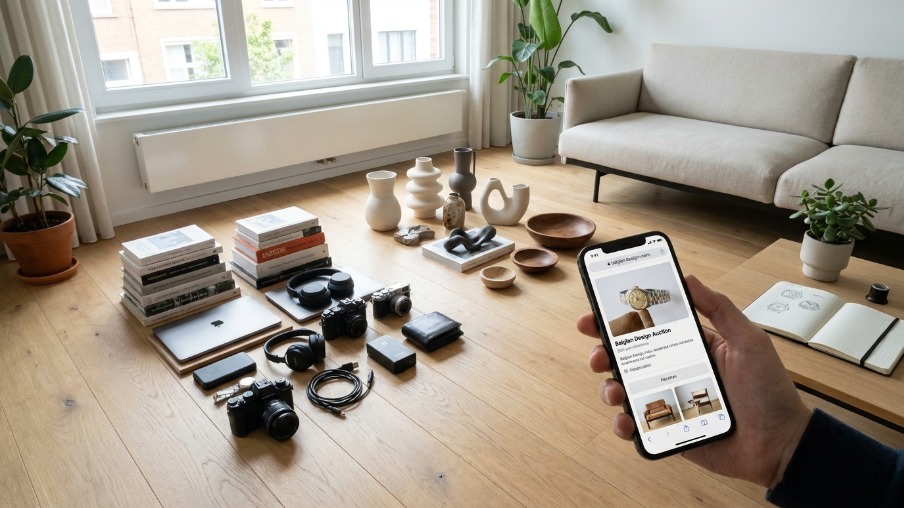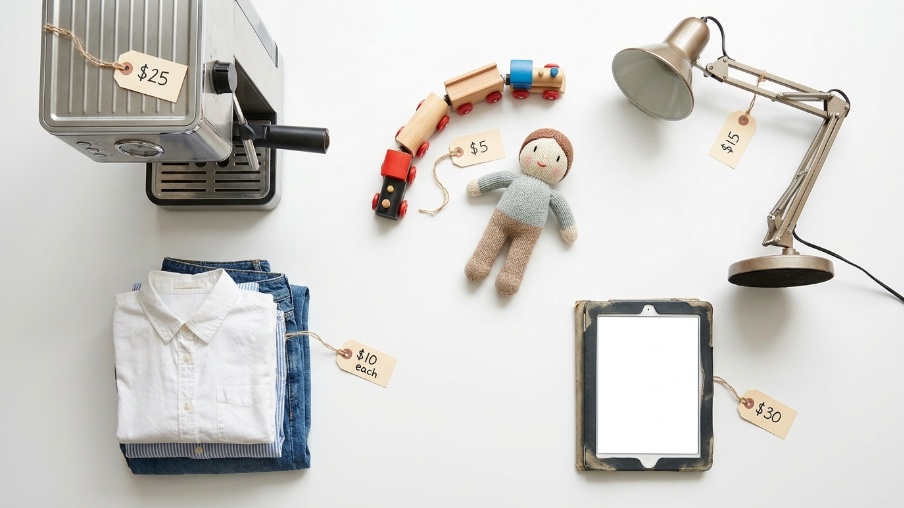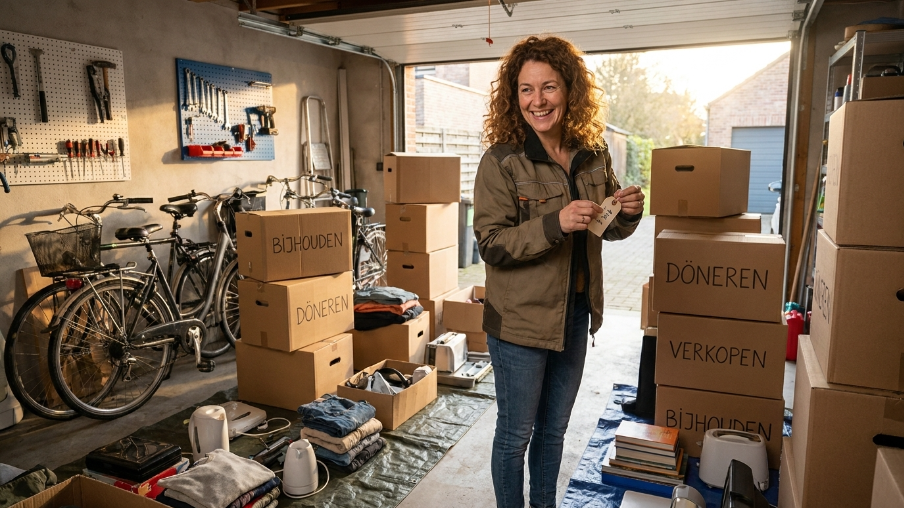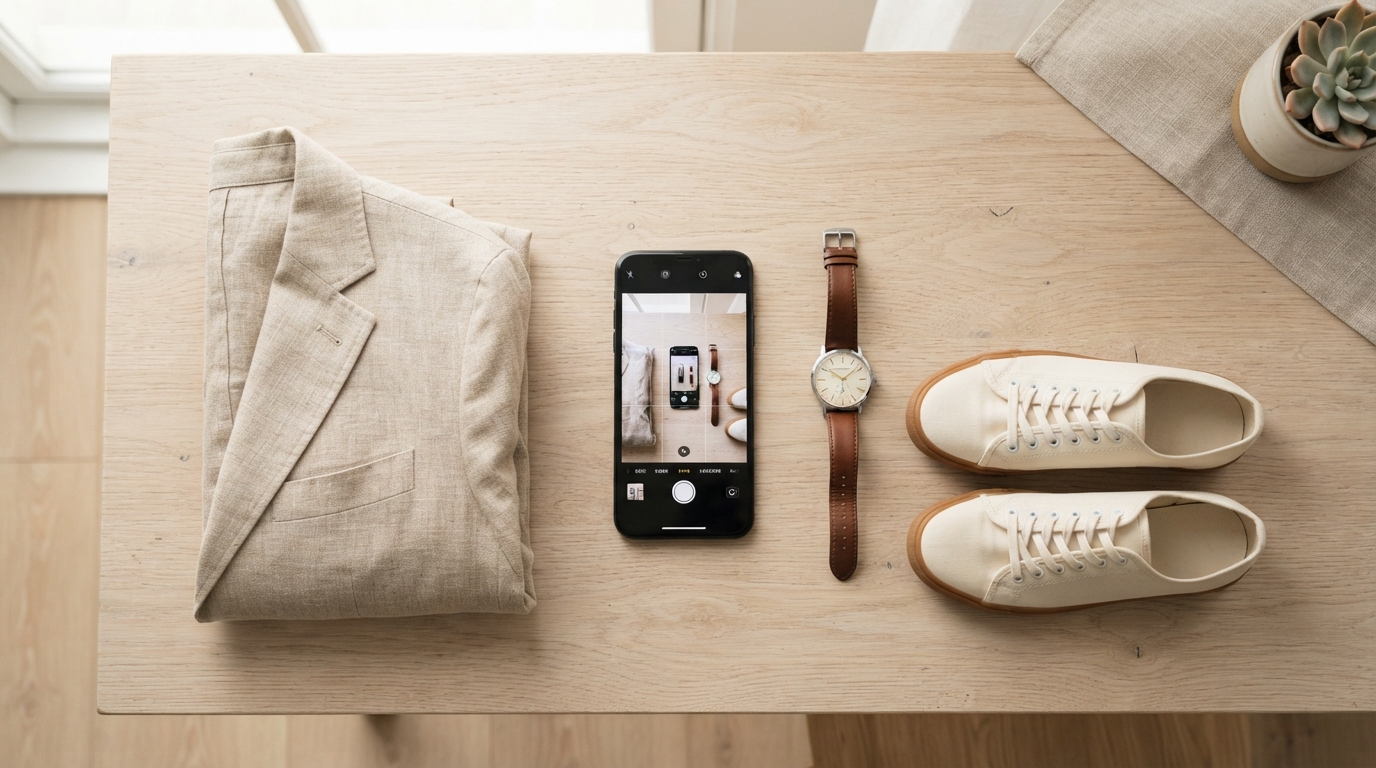
A good photo does more work than a good description. On any Belgian marketplace, buyers scroll fast, and the first thing that stops their thumb is the image. If it's dark, blurry, or cluttered, they move on. If it's clear and honest, they click.
You don't need a camera or a studio. You need a phone, some daylight, and a few habits that most sellers skip. Here's how to take photos for online listings in Belgium that actually get results — whether you're selling a sofa, a bike, or a bag of baby clothes.
Why Photos Matter More Than You Think
Belgian buyers are cautious. Second-hand shopping here relies heavily on trust, and a photo is the first signal of whether a seller is careful and honest. Listings with sharp, well-lit photos tend to get more views and faster replies, simply because they look credible.
If you want the rest of your ad to convert once someone clicks in, pair strong photos with a clear write-up. Our guide on how to write listings that actually attract buyers covers that side in detail.
Clean the Item and the Background First
Before you even open your camera, prep the scene.
- Wipe down the item — dust and fingerprints show up clearly in photos
- Remove clutter from the background: no laundry piles, no unrelated objects
- Use a plain wall, a clean floor, or a simple table as your backdrop
- If it's furniture, stage it like it would look in someone's home
A tidy background tells buyers you take care of your things, which matters just as much as the item itself.
Use Natural Light, Not Flash
Belgian weather isn't always cooperative, but natural daylight near a window is still your best friend. Flash creates harsh shadows and washes out colour, especially on darker items.
- Shoot near a window during the day, ideally late morning or early afternoon
- Avoid direct midday sun outdoors — it creates strong shadows
- On cloudy days, light is often softer and more even, which is actually good for photos
- Never use flash indoors if you can help it
If you're photographing outside — a bike, garden furniture, sports gear — an overcast day will usually give you more even lighting than full sun.
Shoot from Multiple Angles
One photo is never enough. Buyers want to inspect an item almost like they're holding it.
- Take a full front shot showing the whole item
- Add close-ups of any wear, scratches, or damage — this builds trust and avoids disputes later
- Include a shot of labels, brand names, or model numbers if relevant
- For clothing, show it laid flat or on a hanger, plus close-ups of fabric and stitching
- For electronics, photograph the item powered on, showing it works
Showing flaws honestly isn't a weakness — it's what separates a trustworthy seller from a risky one, and Belgian buyers notice the difference.
Keep the Phone Steady and the Focus Sharp
Blurry photos are one of the most common reasons listings get ignored.
- Hold the phone with both hands or rest it on a stable surface
- Tap the screen to focus on the item before shooting
- Clean your camera lens — pocket lint and smudges cause more blur than people realise
- Avoid zooming in digitally; step closer instead for a sharper result
A simple smartphone photography habit like this takes seconds but noticeably improves image quality.
Frame the Item Properly
Fill the frame with the item, but don't crop it awkwardly.
- Centre the item and leave a little breathing room around the edges
- Shoot horizontally for larger items like furniture or bikes
- Shoot vertically for single items like clothing or accessories, since most buyers browse on mobile
- Avoid extreme close-ups that cut off important parts of the item
Set the Right Price Once Your Photos Are Ready
Good photos get attention, but the price still decides whether someone actually reaches out. Once your images are sorted, take a look at our guide on how to price second-hand items in Belgium to make sure your listing is competitive from day one.
A Quick Trust and Safety Note
Photos build trust before a buyer even messages you, but trust needs to continue through the whole transaction. Never share personal financial details in a chat, and always meet in safe, public locations for local handovers. If you want a full checklist, see our post on safe payment tips for Belgian buyers and sellers. It's also worth knowing the warning signs of a scam listing before you buy — our guide on how to spot fake listings on a marketplace covers the most common red flags.
For Buyers: What Good Photos Tell You
If you're browsing rather than selling, photos are also your first filter. Listings with multiple angles, close-ups of damage, and natural lighting are usually posted by sellers who are being upfront. Be more cautious with listings that only show one blurry stock-style photo or images that look copied from elsewhere.
FAQ
What's the best time of day to take listing photos in Belgium?
Late morning to early afternoon near a window usually gives the most even natural light, especially on cloudy days which are common in Belgium.
Do I need a professional camera to sell online?
No. A modern smartphone camera is enough for almost every category, as long as you use good lighting and a clean background.
How many photos should I add to a listing?
Aim for at least four to six photos: a full view, close-ups of any wear, and details like labels or brand names.
Why do my photos look yellow or dull indoors?
Artificial indoor lighting often creates a yellow tint. Shooting near natural daylight avoids this problem entirely.
Should I show damage or flaws in photos?
Yes. Honest photos of wear or damage build trust with buyers and reduce disputes after the sale.
Can I edit my photos before posting?
Light editing for brightness or straightening is fine, but avoid heavy filters that change the item's real colour or condition.
Conclusion
Better photos mean faster replies and fewer wasted messages. A little natural light, a clean background, and a few honest angles are usually all it takes to make your listing stand out. When you're ready, browse listings or list your own item on DealDone and put these tips to work right away.
Follow DealDone on Facebook and Instagram, connect with us on LinkedIn, or reach out anytime through our Contact Us page.