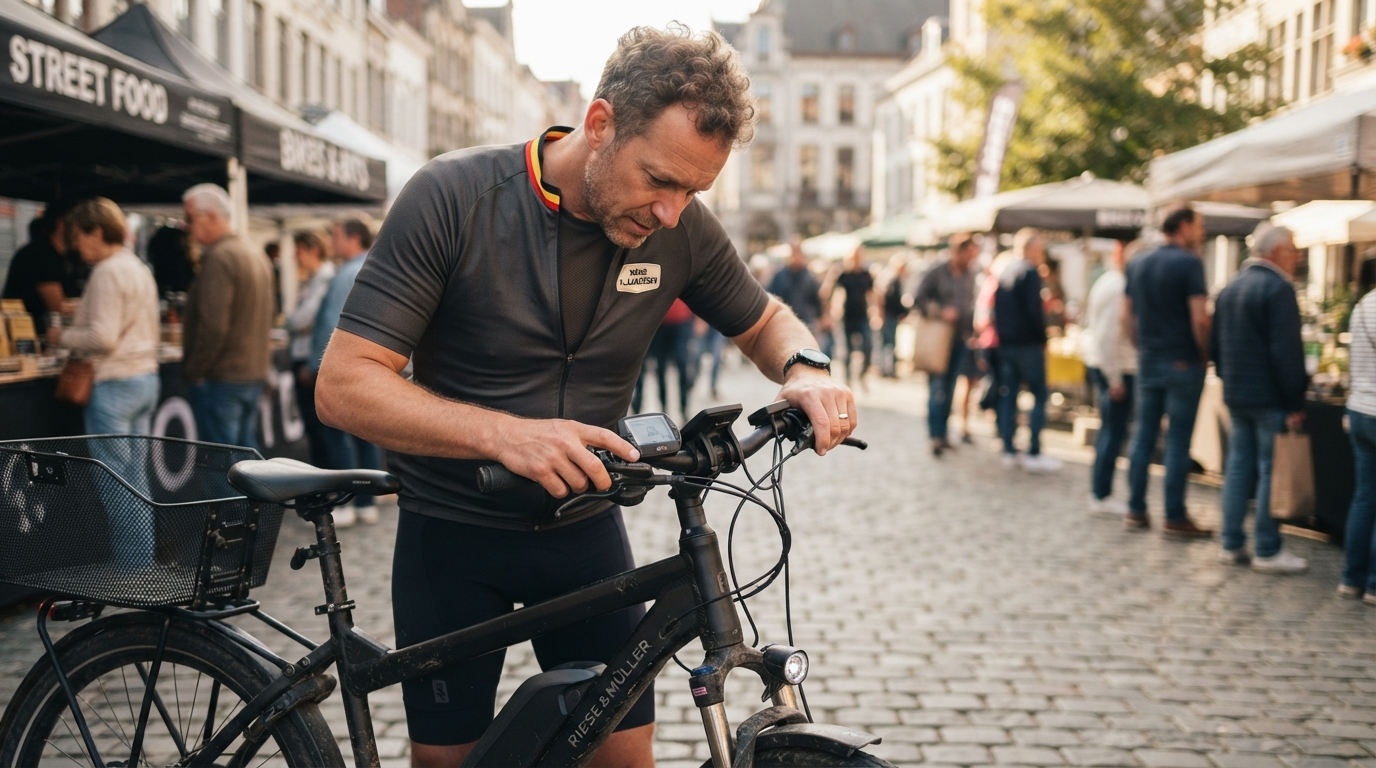
Electric bikes have become a serious part of everyday life in Belgium. From Ghent to Liège, commuters, families, and weekend riders are all turning to e-bikes to get around faster and with less effort. But buying a second-hand e-bike in Belgium is not quite the same as picking up a used road bike - there are electrical components involved, and getting those wrong can cost you more than the bike itself.
This guide gives you a practical inspection checklist so you can walk into any private sale with confidence and ask the right questions before handing over your money.
Why Second-Hand E-Bikes Deserve Extra Attention
A standard used bike has moving parts — gears, brakes, cables. A used electric bike has all of that plus a battery, a motor, a controller, a display unit, and sensor systems. Any one of these components can degrade over time or be damaged without obvious signs on the outside.
The good news? Most problems are detectable if you know what to look for. And buying used still makes strong financial sense - a well-maintained pre-owned e-bike in Belgium can save you hundreds of euros compared to new retail prices.
If you want to understand how pricing works before you start searching, our guide on how to price second-hand items in Belgium gives you a solid starting point.
1. Always Start With the Battery
The battery is the most expensive single component on any e-bike. It also degrades naturally over charge cycles — this is normal, but the degree of degradation matters a lot.
What to check:
- Ask the seller how old the battery is and how often it was used
- Look for any visible swelling, cracks, or corrosion on the battery casing
- Turn the bike on and check the charge level on the display — does it match what the seller claimed?
- Ask whether the original charger is included (a missing charger can cost €50–€100+ to replace)
- Request a short test ride to see how the motor assist responds at different levels
Avoid any listing where the seller refuses to turn the bike on, claims the battery "just needs charging," or cannot show you a functioning display. These are red flags.
2. Test the Motor and Assist Levels
Belgian roads include plenty of hills, cycle paths, and urban stop-start traffic — your motor needs to handle all of it reliably.
During your test ride, check:
- Does the pedal assist kick in smoothly at each level (usually eco, normal, sport/turbo)?
- Is there any stuttering, unusual noise, or delay in response?
- Does the motor cut off cleanly when you stop pedaling or brake?
- For hub-drive motors, listen for grinding sounds from the wheel area
- For mid-drive motors (common on quality brands like Bosch or Shimano Steps), check for vibration near the crank
Any motor that surges, stutters badly, or cuts out unpredictably should be walked away from unless the price reflects a repair budget.
3. Inspect the Frame and Brakes
Do not skip the mechanical inspection just because you are focused on the electrical side. A damaged frame or worn brakes are dangerous regardless of how good the battery is.
Frame check:
- Look for cracks, deep scratches near welds, or signs of a repaired accident
- Check the fork for any bending near the dropout or crown
- On cargo e-bikes specifically, inspect the rear rack and load connections carefully — these carry significant stress
Brake check:
- Test both brakes individually at low speed — they should stop the bike firmly and without squealing
- Check brake pad thickness visually — worn pads need immediate replacement
- E-bikes with hydraulic disc brakes offer the best stopping power; make sure there are no signs of fluid leaks
Looking for a second-hand cargo bike in Belgium? These deserve an especially thorough frame and brake check given the loads they carry.
4. Check the Display and Electrical Connections
The display unit is your dashboard. It shows speed, battery level, assist mode, and sometimes error codes.
What to verify:
- All buttons should respond correctly
- The screen should be clear and readable in daylight
- Check for any error codes displayed on startup (some display a short code — look these up for the specific brand)
- Inspect all cable connections for fraying, water damage, or loose connectors
Electrical connectors that are corroded or loose are a common source of intermittent faults — easy to miss but annoying to track down later.
5. Check the Chain, Gears, and Tyres
E-bikes wear through drivetrains faster than regular bikes because the motor amplifies every pedal stroke. A stretched chain or worn cassette will need replacement sooner on a used e-bike than you might expect.
- Run through all gears to confirm smooth shifting
- Check the chain for stretch using a chain checker tool (or ask a local bike shop to do it quickly)
- Inspect tyre tread — e-bike tyres need more grip due to higher speeds
- Check tyre sidewalls for cracks or bulges
6. Verify the Paperwork
In Belgium, e-bikes with pedal assist up to 25 km/h (the standard pedelec) do not require registration or insurance. However:
- Ask if the bike was originally sold with a warranty or service booklet
- Check if the brand offers a registered ownership transfer (some premium brands like Cowboy or VanMoof link bikes to user accounts)
- If the bike is connected to an app, confirm the seller has removed their account before purchase
For higher-powered speed pedelecs (up to 45 km/h), different rules apply — these require insurance and a helmet. Confirm the category before buying.
7. Safety Tips When Meeting a Seller
Buying through a local marketplace means meeting a stranger. Keep it safe and straightforward.
- Always meet in a public place — a busy parking area or town centre works well
- Bring a friend, especially if you are carrying cash
- Never transfer money before seeing the bike in person
- Use traceable payment methods wherever possible
Our guide on safe payment tips for Belgian buyers and sellers covers this in more detail if you want to go deeper.
E-Bike Inspection Checklist at a Glance
- ☐ Battery turns on and shows charge level
- ☐ Original charger included
- ☐ Motor assist works at all levels
- ☐ No stuttering, grinding, or cutout issues
- ☐ Frame has no cracks or accident damage
- ☐ Brakes stop firmly on both sides
- ☐ Display shows no error codes
- ☐ Cables and connectors look clean and secure
- ☐ Gears shift smoothly
- ☐ Tyres have adequate tread
- ☐ Paperwork and account transfer confirmed
- ☐ Meeting arranged in a safe public location
FAQ: Buying a Second-Hand E-Bike in Belgium
What is the most important thing to check when buying a used e-bike in Belgium?
The battery is the most critical component. It degrades over time and is the most expensive part to replace. Always test it in person and ask about its age and usage history before agreeing to buy.
How do I know if a second-hand e-bike battery is still good?
Turn the bike on and check the charge reading on the display. During a test ride, observe how the assist behaves — a weak or inconsistent motor response often signals a degraded battery. If possible, ask the seller to show you a full charge cycle.
Can I buy a second-hand e-bike in Belgium without registration?
Standard pedal-assist e-bikes (pedelecs up to 25 km/h) do not require registration, insurance, or a licence in Belgium. Speed pedelecs (up to 45 km/h) do require insurance and a helmet. Always confirm which type you are buying.
Are second-hand cargo e-bikes worth buying in Belgium?
Yes, a second-hand cargo bike in Belgium can offer excellent value, especially for families. Just inspect the frame, rear rack, and braking system extra carefully, as these bikes carry more load and wear faster than standard e-bikes.
What brands of e-bikes hold their value well in Belgium?
Brands with strong Belgian market presence and good service networks — such as Bosch-powered bikes, Trek, Specialized, and Belgian brand Cowboy — tend to hold their value and have parts more readily available for repair.
How can I spot a fake or scam e-bike listing in Belgium?
Be suspicious of listings with very low prices, sellers who refuse a test ride, or anyone pushing you to pay by bank transfer before meeting. Our guide on how to spot fake listings on a marketplace walks you through the warning signs.
Conclusion: Buy Smart, Ride Well
A pre-owned e-bike can be one of the best purchases you make — affordable, practical, and far better for your wallet than buying new. But only if you take the time to inspect it properly first.
Use this checklist as your guide, take a proper test ride, and never rush a decision because the seller is pushing urgency. The right second-hand e-bike in Belgium is out there, and it is worth the extra thirty minutes to check it properly.
Ready to start looking? Browse the latest e-bike and vehicle listings on DealDone and find a deal near you — or post your own listing on DealDone if you have an e-bike to sell.
Follow us on Facebook, Instagram, and LinkedIn for the latest listings and marketplace tips. Questions? Reach out via Contact Us.