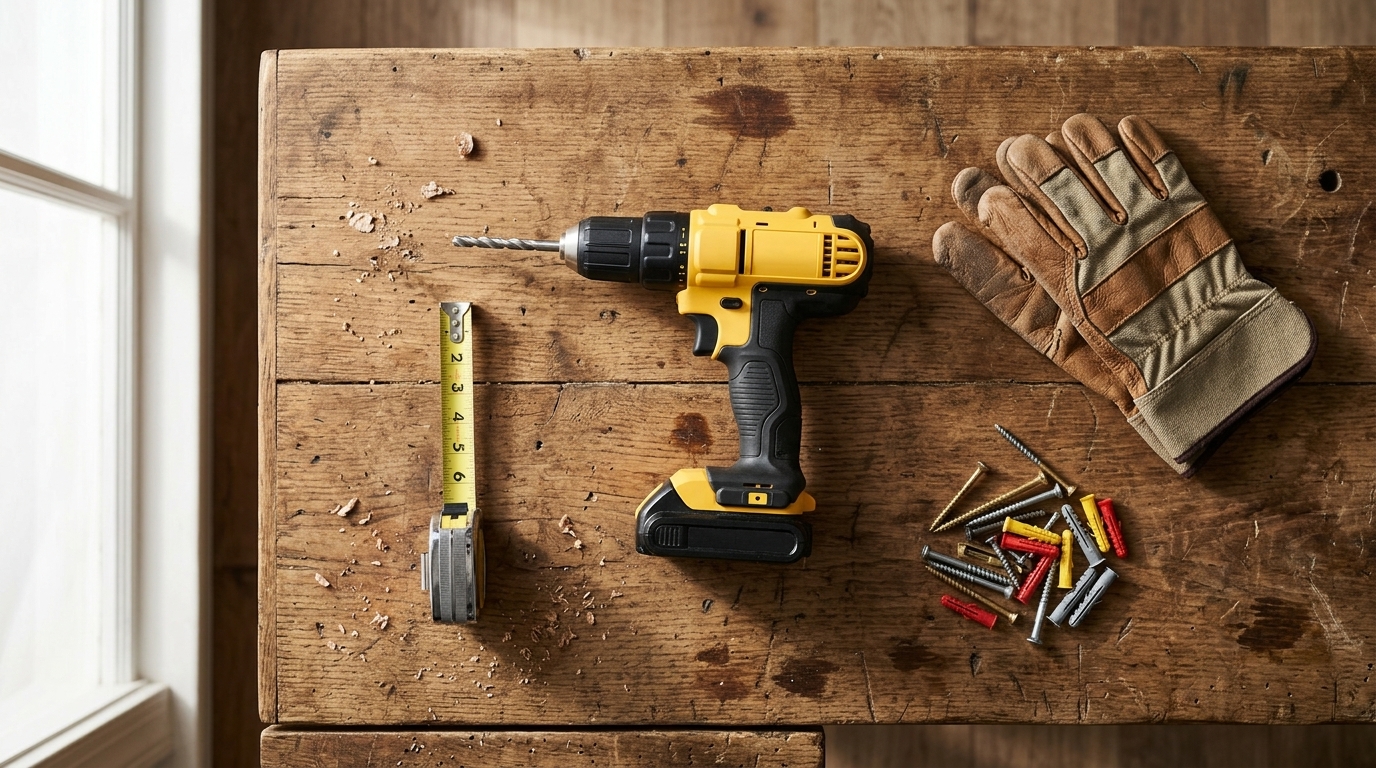
Every DIY project in Belgium eventually leads to the same question: buy new, or buy used? With renovation costs rising and garages full of barely-touched equipment, second-hand tools Belgium shoppers have never had more reason to look before they buy new. The good news is that tools, more than almost any other product category, hold up well after their first owner is done with them.
This guide breaks down what's genuinely worth buying used, what to avoid, and how to shop with confidence on a Belgian marketplace.
Why Belgians Are Buying Second-Hand Tools
Belgian households renovate often, and DIY culture here runs deep — from weekend terrace projects to full attic conversions. But a decent drill, saw, or sander can easily cost over a hundred euros new, and most of them get used for a handful of projects a year. That gap between price and actual usage is exactly why the used market for used power tools Belgium buyers rely on keeps growing. Someone finishes a renovation, the tools go into a shed, and eventually they're listed for a fraction of the retail price.
What's Worth Buying Used
Not every tool ages the same way. Some hold their value and performance for decades; others wear out fast and aren't worth the risk.
Good value when bought used:
- Corded and cordless drills, especially from established brands
- Circular saws and jigsaws with low usage hours
- Hand tools: wrenches, screwdriver sets, pliers, hammers, levels
- Workbenches, clamps, and tool storage
- Ladders and scaffolding in solid structural condition
- Garden power tools like hedge trimmers and pressure washers
Well-known brands tend to age particularly well. Pre-owned Bosch tools are a common find on local listings because the brand builds for longevity, and replacement batteries and parts are usually still available years later, which makes a used purchase far less risky.
Skip these when buying used:
- Tools with cracked housings or exposed wiring
- Battery-powered tools with an unclear or discontinued battery system
- Anything with a motor that sounds rough or smells burnt when running
- Safety equipment like ear protection or dust masks (buy these new)
- Tools with missing safety guards
If you're unsure whether an item falls into the "worth it" category, our guide on buying second-hand safely walks through a broader checklist that applies well beyond tools.
How to Buy Used Power Tools Safely
Buying tools second-hand is generally low-risk, but a few habits protect you from wasting money or ending up with something unsafe.
Before you buy:
- Ask the seller to switch the tool on so you can hear the motor run
- Check that the charger and battery are included and matching, not mismatched brands
- Look for cracks around the casing, especially near the handle grip
- Ask how old the tool is and how often it was used
- For anything with a blade or cutting edge, check for rust or pitting
Meeting in person is always the safer route for tools, since you can test them on the spot. If you're buying a higher-value item like a table saw or a full DIY equipment marketplace Belgium bundle, arrange to meet in a public place or ask a friend to come along. Our piece on safe payment tips for buyers and sellers covers how to avoid common payment scams, which is worth a quick read before any higher-value purchase.
Where to Find the Best Deals in Belgium
Second-hand tools tend to surface in bursts — right after renovation season, around spring cleaning, and when people move house. Searching regularly rather than once beats waiting for the "perfect" listing to appear. Browsing the home & garden category on DealDone is a good starting point, since garden and outdoor power tools are listed there alongside general DIY gear.
If you're new to negotiating on price, our guide on negotiating second-hand prices in Belgium has practical scripts you can use directly in a chat with a seller.
Selling Your Own Tools? Here's How to Get a Fair Price
If you've got tools gathering dust in the garage, selling them is often easier than people expect. Clean listings with clear photos consistently sell faster and for closer to asking price.
Quick tips for sellers:
- Photograph tools clean, in good light, and switched on if possible
- Mention the brand, model, and approximate age in the title
- Note whether the charger, battery, and case are included
- Be upfront about any wear, cracks, or missing parts
- Bundle smaller hand tools together rather than listing them one by one
For pricing help, check our guide on how to price second-hand items in Belgium, and for writing a listing that actually gets clicks, see how to write listings that attract buyers.
A Quick Note on Trust and Safety
Tools are a category where trust matters more than most, since a faulty item can be a genuine safety risk rather than just a bad purchase. Always test a tool before paying, avoid deals that feel rushed, and be cautious of listings priced far below market value — that's often a sign worth double-checking. If something looks off, our guide on how to spot fake listings on a marketplace explains the warning signs to watch for.
FAQ
Are second-hand power tools safe to buy in Belgium?
Yes, as long as you inspect the tool in person, test it running, and check the housing and cord for damage. Reputable brands with available replacement parts are generally the safest bet.
What's a fair price for a used drill in Belgium?
It depends on brand, age, and condition, but expect used drills to sell for roughly 30–60% of their original retail price if they're in good working order with the battery and charger included.
Should I buy a second-hand drill with the battery included?
Yes, always. A drill without a matching battery or charger can end up costing more to complete than buying a new one, especially if the battery system is discontinued.
Which tool brands hold their value best on the used market?
Established professional and semi-professional brands, including Bosch, tend to hold value well because parts and batteries stay available for years, making resale and repair easier.
Is it worth buying used hand tools like wrenches and screwdrivers?
Almost always yes. Hand tools don't have motors or batteries to wear out, so quality used sets are one of the safest second-hand purchases you can make.
How do I avoid scams when buying tools online in Belgium?
Meet in person when possible, test the tool before paying, avoid rushed or overly cheap deals, and never pay a deposit to reserve an item you haven't seen.
Conclusion
Second-hand tools are one of the smartest categories to shop used in Belgium — the savings are real, and quality brands hold up well long after their first owner moves on. Whether you're kitting out a first workshop or clearing space in your own garage, a bit of care when inspecting and negotiating goes a long way. Ready to find your next tool or list one you're no longer using? Browse listings on DealDone and start buying or selling today.
Follow DealDone on Facebook, Instagram, and LinkedIn, or contact us with any questions.