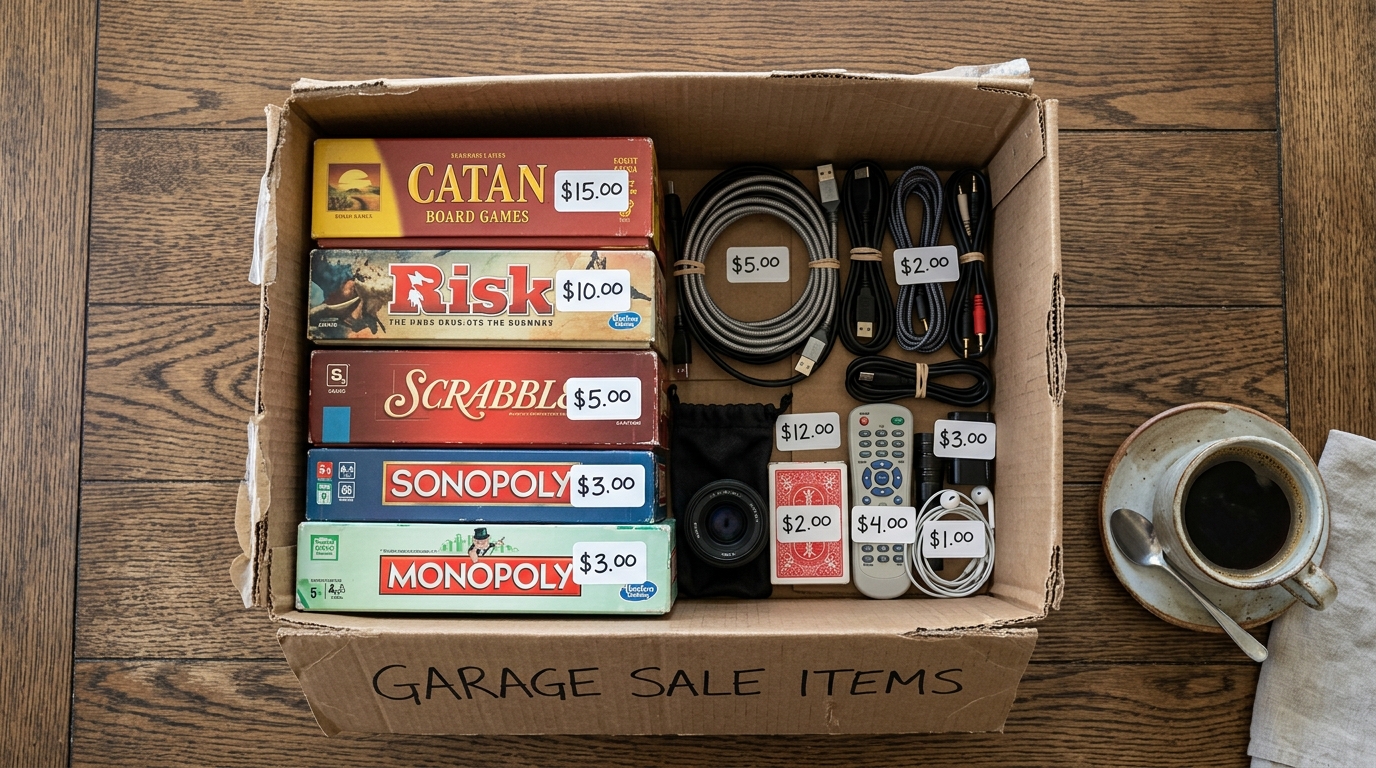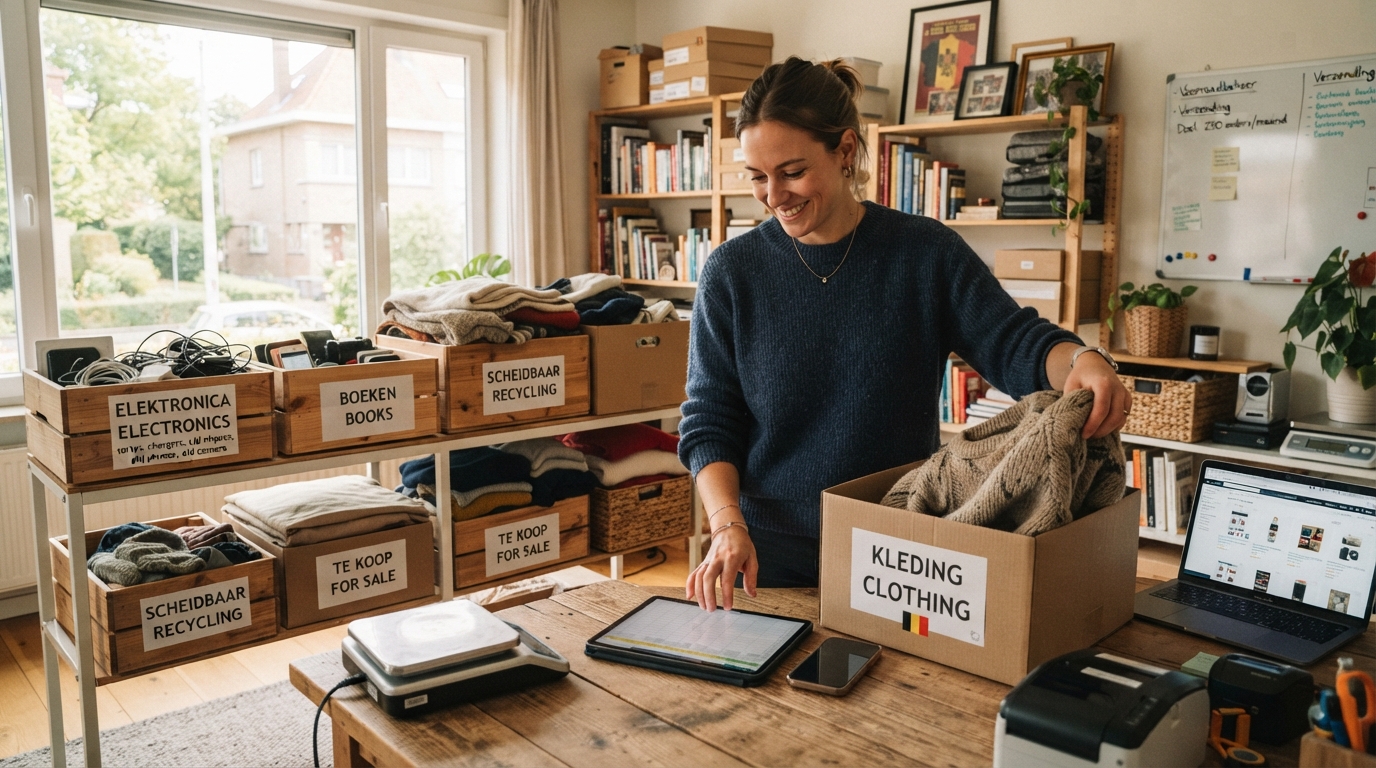
Maybe you started flipping electronics or vintage finds on the side — and it's going well enough that you're asking a bigger question: can I actually do this as a business? The answer is yes. But selling second-hand as a business in Belgium comes with rules, VAT obligations, and registration requirements you need to understand before you scale up.
This guide walks you through everything: when casual selling becomes a business activity, how VAT works for resellers, and which platforms give you the best chance of building something sustainable.
When Does Selling Second-Hand Become a Business Activity?
Belgian law draws a clear line between occasional private sales and structured commercial activity. If you regularly buy items with the intent to resell them for profit, the Belgian tax authority (SPF Finances / FOD Financiën) considers you a professional seller — regardless of whether you've formally registered as a business.
The key signals that move you from private seller to professional reseller include:
- You buy items specifically to resell them, not just to clear out personal belongings
- You sell frequently and consistently over time
- You generate meaningful recurring income from reselling
- You hold stock of goods available for sale
If any of these apply to your situation, you'll need to structure your activity properly — and that starts with registration.
Do You Need to Register Your Business as a Reseller?
Yes. If you're starting a reselling business in Belgium, you must register with the Crossroads Bank for Enterprises (CBE / KBO). This applies whether you operate as a sole trader (zelfstandige / indépendant) or through a company structure.
The basic steps involve:
- Choosing a legal structure — a sole trader registration is the simplest starting point for most resellers
- Registering via a recognized enterprise counter (ondernemingsloket / guichet d'entreprises)
- Obtaining your enterprise number
- Registering for VAT if your annual turnover exceeds €25,000 — or opting in voluntarily below that threshold
That €25,000 threshold matters. Below it, you may qualify for the small enterprise VAT exemption (vrijstellingsregeling / régime de la franchise), which significantly simplifies your administrative obligations.
VAT on Second-Hand Goods in Belgium: What You Need to Know
VAT is where many new resellers get confused — and where the right structure makes a real difference to your margins.
The Margin Scheme: The Smart VAT Option for Second-Hand Resellers
The margin scheme (margeregeling / régime de la marge) is specifically designed for second-hand dealers. Instead of paying VAT on the full selling price, you only pay VAT on your profit margin.
Here's a simple example:
- You buy a second-hand laptop for €100
- You sell it for €160
- Your margin is €60
- You pay 21% VAT on €60, not on €160
To qualify for the margin scheme, you must:
- Purchase goods from a private individual, a VAT-exempt seller, or another margin-scheme reseller
- Not claim input VAT on the purchase
- Maintain detailed records for every transaction: purchase price, sale price, and margin
The scheme applies to most movable second-hand goods — furniture, electronics, clothing, tools, and collectibles. It does not apply to new goods, precious metals, or investment items.
If you're unsure whether your specific activity qualifies, consulting a Belgian accountant familiar with VAT rules is a worthwhile early investment.
What Can You Actually Sell as a Small Business Reseller?
Almost any second-hand item can be resold legally in Belgium — but some categories attract stronger buyer demand and sell faster. If you're still deciding on your niche, the guide to the most popular second-hand categories in Belgium gives you a clear picture of where the market is most active right now.
Electronics, furniture, clothing, tools, and sports gear tend to be high-volume categories for Belgian resellers. Starting with one focused niche helps you source smarter and price more accurately — a skill covered in depth in our guide on how to price second-hand items in Belgium.
Which Platforms Work Best for Business Resellers in Belgium?
As a registered reseller, you need a platform that lets you list efficiently, reach local Belgian buyers, and build a recognizable seller presence over time.
DealDone is built for exactly this — a local Belgian marketplace where businesses and private sellers can list new and second-hand items, connect with nearby buyers, and manage multiple listings without complex fee structures.
Before setting up your seller profile, the post on why local businesses should advertise on DealDone is worth reading. It covers how to position your business listings to stand out in a local market.
Once your listings are live, presentation is everything. Learning how to write listings that actually attract buyers will help your stock move faster and reduce the time you spend fielding low offers.
Practical Tips for Running a Legal Reselling Operation in Belgium
Getting the compliance side right from day one protects you from costly corrections later. Here's what experienced Belgian resellers recommend:
- Keep a transaction log for every item — what you paid, where you bought it, when you sold it, and at what price. This is essential for margin scheme compliance.
- Issue invoices or receipts for all B2B sales and for consumer transactions above €250, or whenever a buyer requests one.
- Keep business and personal stock separate — maintain separate accounts and separate listings from day one.
- Be transparent in your listings about your professional seller status. Belgian consumer protection law grants buyers additional rights when purchasing from a business, so clarity protects both sides.
- Handle payments carefully — our guide on safe payment tips for Belgian buyers and sellers covers how to protect yourself and your customers from common fraud risks.
For boosting your sell-through rate from the start, the practical advice in how to sell faster on marketplace platforms in 2026 is directly relevant to Belgian resellers running higher-volume operations.
Frequently Asked Questions
Do I need a VAT number to sell second-hand items as a business in Belgium?
If your annual turnover exceeds €25,000, VAT registration is mandatory. Below that threshold, you can use the small enterprise VAT exemption. Either way, you must first register your business with the CBE before selling commercially.
What is the margin scheme for second-hand goods in Belgium?
The margin scheme (margeregeling / régime de la marge) allows registered resellers to pay VAT only on their profit margin — not the full selling price. It applies when goods are purchased from private individuals or VAT-exempt sellers and is the standard VAT method used by second-hand dealers in Belgium.
Can I sell second-hand items on Belgian marketplaces as a registered business?
Yes. Platforms like DealDone welcome professional sellers alongside private ones. As a business, you are required to disclose your professional status in your listings, as buyers are entitled to additional protections under Belgian consumer law.
What's the difference between a private seller and a professional reseller in Belgium?
A private seller occasionally sells personal belongings they no longer need. A professional reseller regularly purchases goods with the intention of reselling them at a profit. Belgian tax authorities assess frequency, intent, and income when determining which category you fall into.
Do I need to issue invoices when reselling second-hand goods in Belgium?
For B2B sales, invoices are always required. For consumer sales, you must provide a receipt on request and for transactions above certain thresholds. Keeping thorough records protects you in any tax audit.
Is it legal to run a second-hand reselling business from home in Belgium?
Yes, home-based reselling businesses are legal in Belgium, provided you are properly registered with the CBE, respect any local zoning rules, and fulfil your VAT and income tax obligations.
Start Your Reselling Business the Right Way
Selling second-hand as a business in Belgium is a real and achievable opportunity — but doing it properly means getting your registration, VAT structure, and record-keeping in order before you grow. The margin scheme makes it financially viable from day one, and platforms like DealDone make it straightforward to reach local Belgian buyers without high upfront costs.
Whether you're just testing the waters or ready to commit full-time, the Belgian second-hand market has genuine room for sellers who operate cleanly, price smartly, and show up consistently.
Ready to list? Browse current listings or post your first item on DealDone today — and connect with buyers across Belgium who are actively searching for what you sell.
Follow DealDone on Facebook, Instagram, and LinkedIn, or get in touch via our Contact Us page.